
The Psychology of Color in Painting
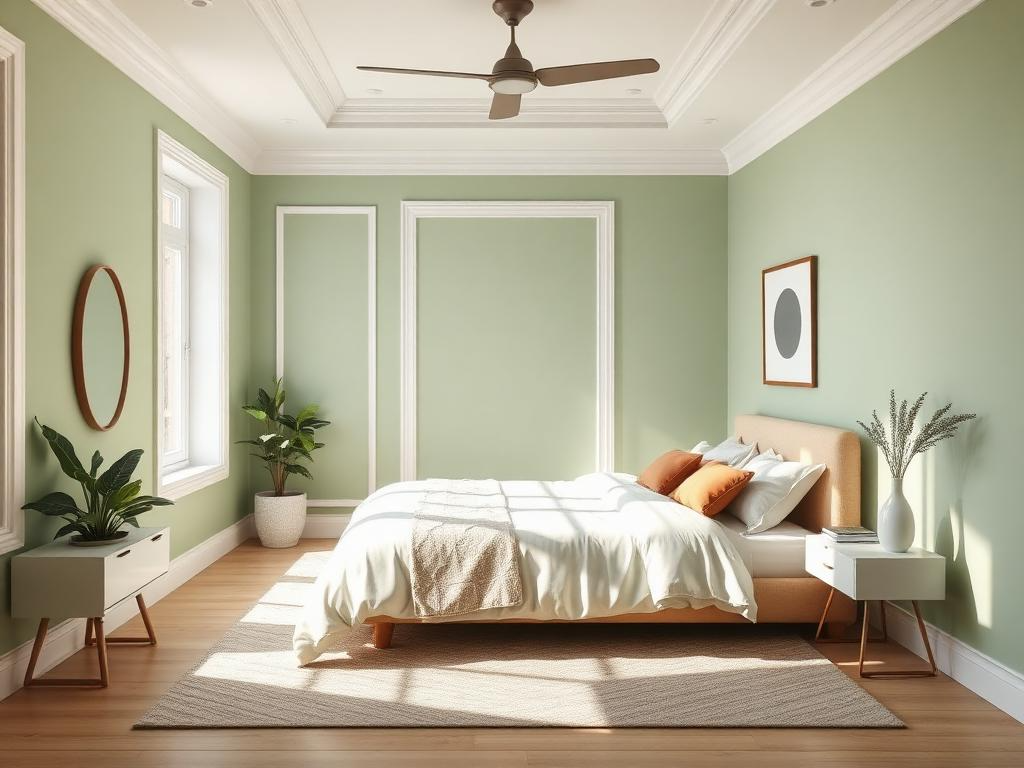
Color is more than a visual element—it’s psychological. The colors you choose in a painting can influence how viewers feel, often without them realizing it. Warm colors like red, orange, and yellow tend to evoke energy, passion, or urgency. Cooler tones like blue and green are associated with calmness, stability, and introspection. But context matters. […]
Abstract Painting: Letting Go of Control

Abstract painting challenges the idea that art must represent something recognizable. Instead, it invites emotion, movement, and spontaneity to take the lead. For many artists, abstraction is liberating. There are no strict rules about perspective or anatomy. The focus shifts from accuracy to expression. Color relationships, texture, and composition become the primary tools. A common […]
Getting Started with Painting: A Practical Beginner’s Guide
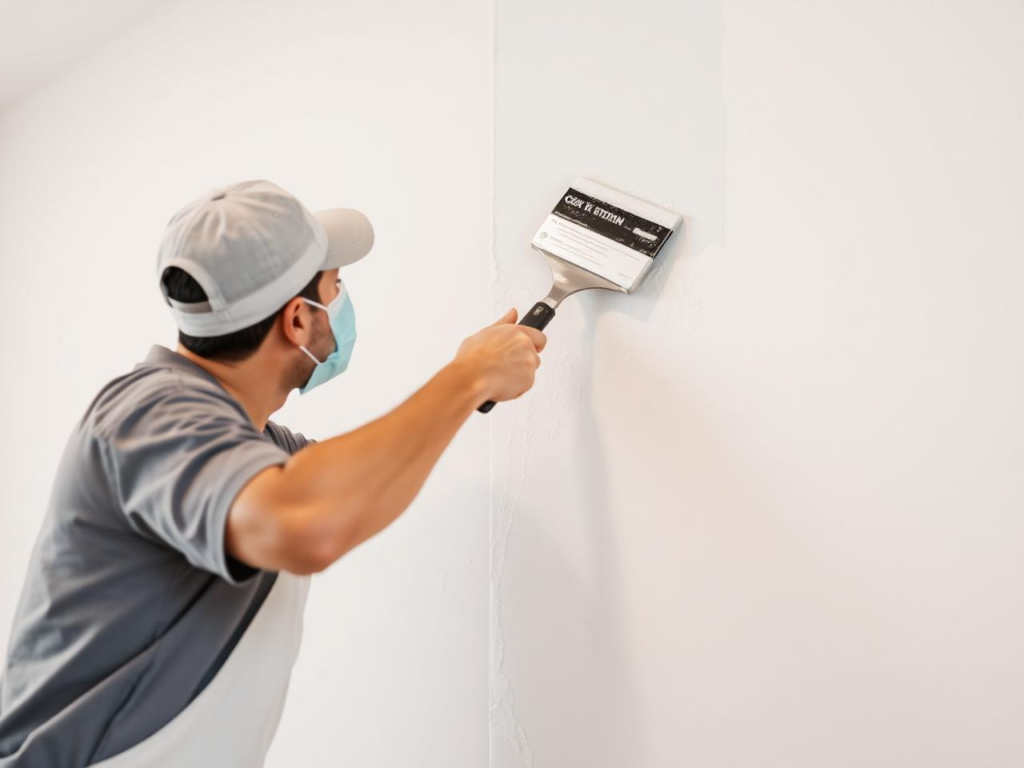
Starting painting can feel intimidating, but the barrier to entry is lower than most people think. You don’t need a studio or expensive materials—just a few basics and a willingness to experiment. Begin with simple supplies: a set of acrylic paints, a few brushes (flat and round), and canvas paper. Acrylics are ideal for beginners […]
The Quiet Power of Painting: Why It Still Matters
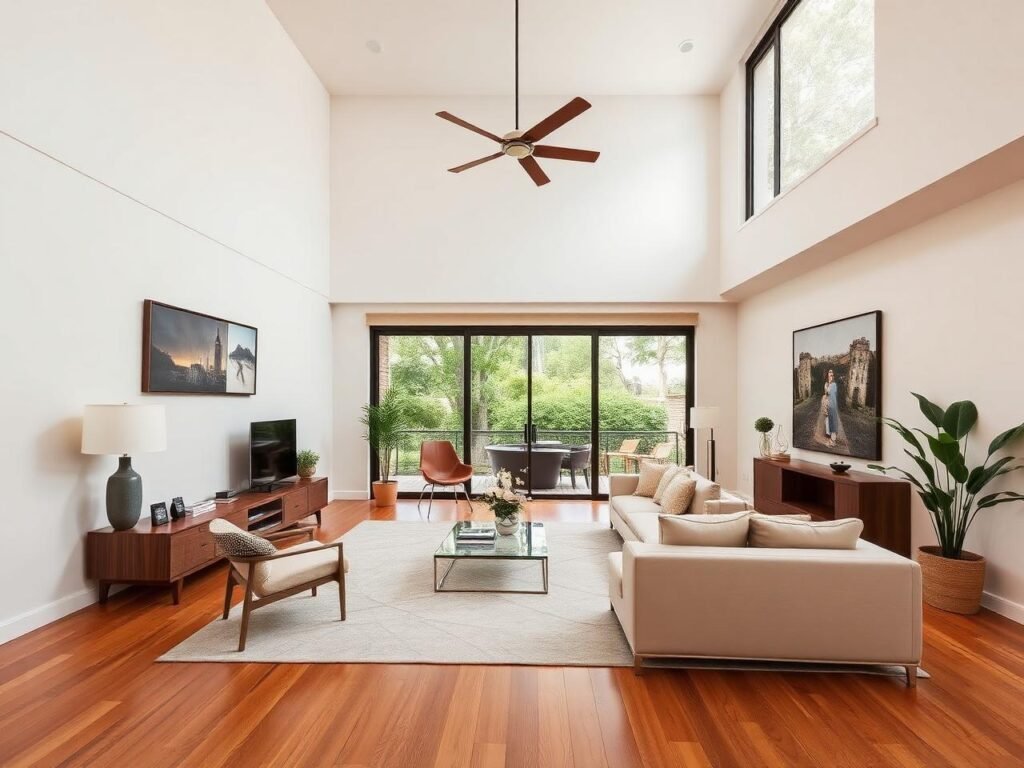
In a world saturated with digital content and constant noise, painting remains one of the most grounding forms of expression. There’s something deeply human about putting brush to canvas—no notifications, no algorithms, just pure intention. Painting forces you to slow down. Every stroke requires a decision: color, pressure, direction. Unlike photography or digital design, you […]